Written By: Heath Wood
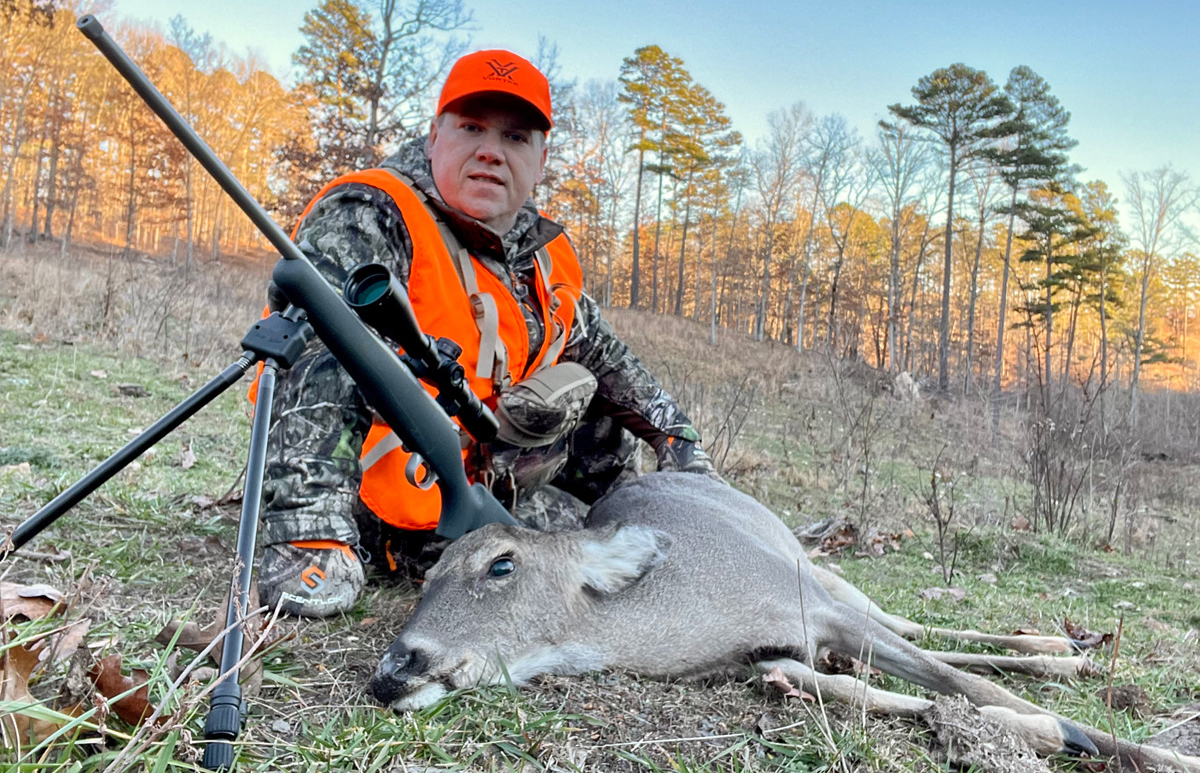
As the late season antlerless portion of the Missouri firearms season neared, a good friend and I arranged a friendly wager to add a little competition while filling our last tag for the season. After throwing a few ideas around, we agreed the winner would be the one who could harvest the largest doe. Our scoring system consisted of measuring from the back of the does head to the end of the nose. To some, it may have seemed like a silly measurement, yet we were competing for fun, and the only two entrees allowed were my friend and me.
On the first evening of the late December two-day antlerless season, I sat in my Hawk Down&Out Warrior Mossy Oak blind. I settled in the blind for a great evening of deer hunting. Even though I had filled both of my buck tags earlier in the season and was now only hunting does, I continued to have the same enthusiasm. At 3:00 p.m., two does appeared approximately two hundred and fifty yards at the edge of a wood line. When I looked through my binoculars, I was surprised to see a decent buck chasing one of the does as part of the second rut. The buck chased the doe around for a few minutes, then entered back into the timber, searching for another doe who might not have been bred in November. A few minutes later, I watched as three more does begin to feed down the hill, again at over two hundred yards away. After watching the more mature doe for several minutes through my binoculars, I knew she would get a pass to move to the top of the hit list. At over two hundred yards away still, I elected to rest my 6.5 Creedmoor rifle on the bottom bar of the blind window for a steadier shot. I slowly squeezed the trigger when the doe stepped into an opening while still broadside.
The shot was a success, yet I am sad to report that the competition ended with my friend taking the victory. Even though my doe was an older mature doe, I lost the wager by less than half an inch. A few years before that hunt, I would likely not have been able to make a productive extended shot like that one. All though I practiced shooting before each season, I did not pay attention to the few details that make shooting at long distances a more comfortable task while hunting.
Becoming A Better Long-Distance Shooter
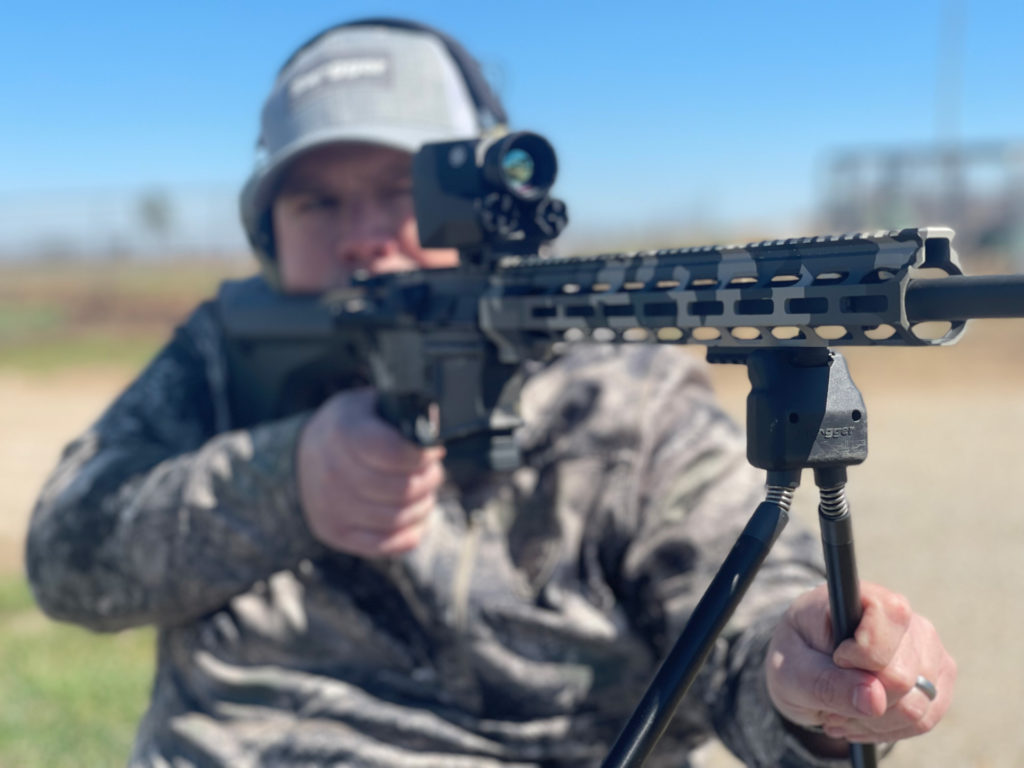
To be more confident at shooting long distances when hunting, one must pay attention to what kind of rifle they are shooting. Investing in a quality rifle scope is vital as well. A golfer would not use a putter to try and drive a golf ball three hundred yards down the fairway. It simply would not do the job. The same goes for choosing the proper rifle.
Since Hornady introduced the game-changing 6.5 Creedmoor in 2007, hunters have gone crazy over long-distance calibers like the 6mm Creedmoor, 6.5 PRC, and many other newly developed calibers. It is likely so; hunters want a caliber of rifle that can reach out further, giving them more opportunities to make a successful harvest.
After finding a rifle caliber that can meet hunting needs, the next is to pair the rifle with a quality scope. It is essential to use a rifle scope to see out at farther distances. Hunters should use a rifle scope with at least 4-12X the magnification. To better understand, a scope set at 6X the magnification can make an animal at 200 yards appear to be 30 yards. By having the target appear closer, the hunter can put the crosshairs on an animal’s vitals much easier.
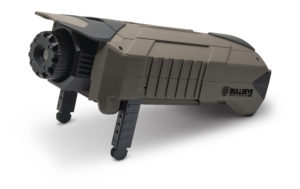
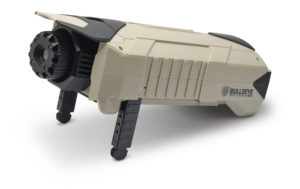
After choosing the proper scope, the hunter needs to shoot at different yardages and longer distances using different magnification powers to see how the firearm shoots at each distance before hunting. I use the Bullseye Camera Systems Wireless Target Camera Wi-Fi Transmitter. After setting the camera up at the target, the shooter can set up the transmitter at their shooting bench up to a mile away. After shooting, the target can be viewed on an iPhone, iPad, or Android device by downloading the Bullseye app. With the Bullseye Target Manager, the shooter can then mark and color shots to determine the shot group and separate shots from when shooting different loads or calibers, all without leaving the shooting bench. After every shot, it blinks to identify the spot of the newest hit, a feature that I love. By staying in one location and seeing where the shot hits in seconds, hunters can line up scopes quicker and tweak their loads of different cartridges when reloading.
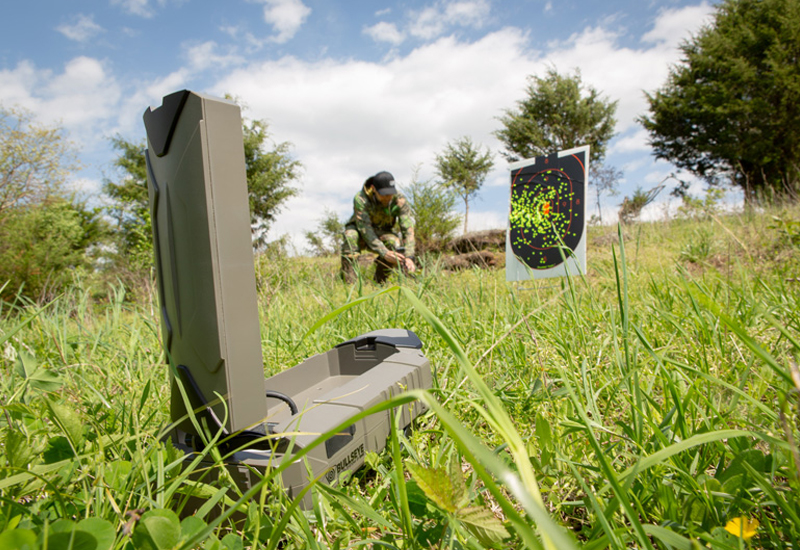
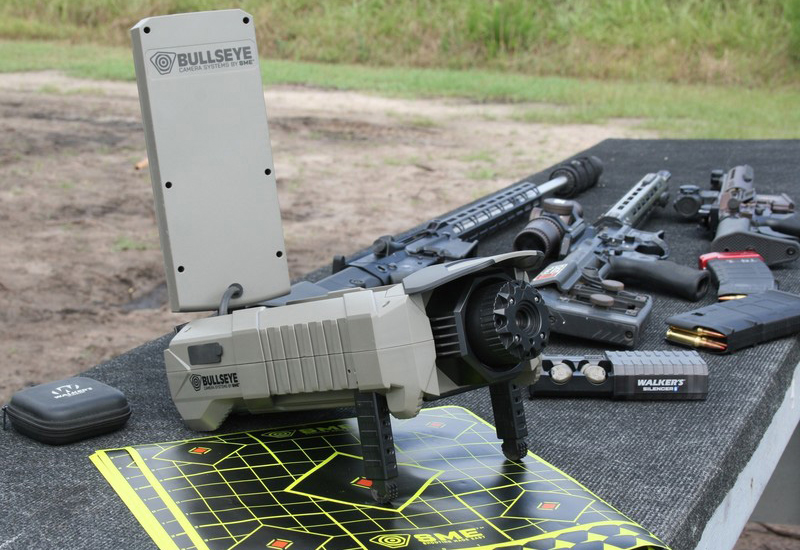
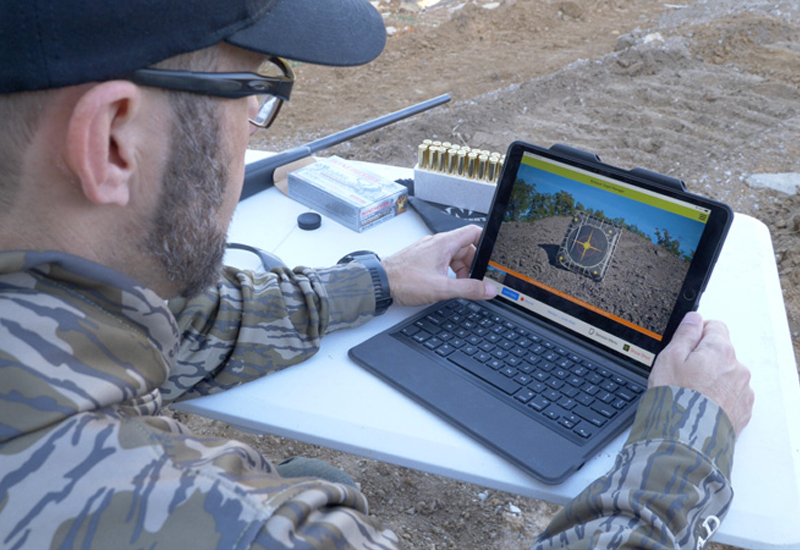
Besides having the proper and quality equipment suitable for long-distance shooting, the most critical factor to being a better long-distance hunter is getting more practice or “trigger time.” When most hunting seasons have closed, the summer is an excellent time to put in some trigger time and practice, whether once a week or a couple of times a month; when there is time to spare, head to the range or a safe open area and practice shooting. Try to implement the Wireless Target Camera from SME. There will no longer be a need to carry along high-powered optics to see where the target has been hit, which means no more walking back and forth from bench to target. Fatigue can set in when repeatedly traveling from bench to target, resulting in the hunter cutting short their shooting practice or not finding pleasure in the act of shooting. Using the Wireless Camera, the hunter can shoot more often, in shorter periods. When practicing periodically throughout the summer and occasionally during the hunting seasons, hunters will see substantial improvement in their success rate at further distances.